New Concrete Driveway Services for Homeowners
Request an estimate
A driveway takes a beating. Cars press on it every day. Rain soaks it. Ice splits it. Road salt eats at it. After enough years, patching no longer works, and a new slab makes sense.
Medtroniic Concrete is a referral service. We do not pour or finish concrete. We link homeowners in the Rogers area with independent local providers who do. This page shows which small jobs you can help with and which ones need pro tools. It also covers cost ranges, permits, and how to care for the slab so it lasts. Read it, then request an estimate when you are ready.
Is it time for a new driveway?
Look at your driveway today. Do you see wide cracks, sunken spots, or crumbling edges? Then patching may no longer be enough. A new slab (one flat sheet of poured concrete) can fix the whole problem at once.
Fix the trip hazards first
A raised edge can catch a shoe. A sunken spot holds water, and in a cold winter that water turns to ice. Ice on a slope is a real fall risk. If you can catch a crack with your toe, treat it as a hazard. Mark the spot with a cone until a provider looks at it.
Signs you need a new driveway
One flaw is not a reason to tear everything out. Many flaws together are. Watch for these:
- Cracks wider than a pencil, or cracks that run the full width
- Flaking or peeling on top, called scaling
- Slab sections that sink, tilt, or rock
- Puddles that stay for a day after rain
- Old patches that keep coming loose
Patch or replace?
Concrete driveway repair works well for one small flaw. A single crack or a chipped corner is a good example. Replace the slab when damage spreads across it. Ask a provider to look at the base too. If the soil below has washed out, a patch on top will fail again.
Why our weather is hard on concrete
Deep frost is the big one. Water seeps into tiny holes in the slab. When it turns to ice, it expands and pushes the concrete apart. Hot, humid summers dry the top too fast. Hail and hard storms pit the surface. Spring flooding can wash soil out from under the slab. A good plan handles all four.
What you can safely do yourself
You can save time and trouble with a few jobs:
- Move cars, planters, and bins out of the way
- Take photos and measure the drive
- Mark sprinkler heads and buried lines you know about
- Trim roots and brush near the edge
- Fill hairline cracks with store-bought crack filler
Always use your local utility locator service before any digging.
What needs a pro
Tear-out, grading (shaping the soil so water runs off), and building the gravel base all need heavy tools. So do setting forms, placing steel, and the pour itself. Wet concrete is heavy, and it starts to set fast. A pour cannot pause while you learn. A two-car drive can take many tons of it. Leave this part to a provider.
What a new driveway project includes
Most projects follow the same path. The provider removes the old slab and hauls it away. Next comes grading and a packed gravel base. Then the crew sets forms, which are wood or metal edges that hold the shape. Steel goes in, concrete is poured, and the top is finished. Last, the provider cuts or tools joints and covers the slab to cure it.
Size, thickness, and finish
A single-car drive is often 10 to 12 feet wide. A two-car drive runs 20 to 24 feet. Four inches of thickness suits cars. Heavy trucks or an RV may need five or six inches. Ask for a broom finish, which is a light texture that grips in wet or icy weather. Smooth finishes get slick.
Providers also plan joints. These are planned grooves that guide cracks into straight lines. Steel bars or wire mesh help hold the slab together. This kind of work is called concrete flatwork, which just means flat slabs like drives and walks.
Permits and the street apron
The apron is the strip where your driveway meets the street or sidewalk. A city often owns it and sets rules for width and thickness. You may need a permit. Many providers know the local process and can help with the paperwork. If you live in an HOA, check its rules too.
Check the drainage and the foundation
The slab should slope away from your house. Many homes here have full basements with sump pumps, so keep the pump pipe from dumping onto the drive. If you see cracks in your foundation wall, ask foundation repair experts to look before any new pour.
Choosing a concrete provider
Ask each provider for a written quote. Compare thickness, base depth, steel, joints, and finish line by line. Ask about insurance and any license your area requires. Ask to see past work. Be careful with anyone who pushes you or wants a large cash deposit.
Timing the pour
Concrete likes mild weather. Providers avoid pouring in hard frost. In summer heat, they pour early and keep the slab damp. Rain on fresh concrete can ruin the top. Ask what the plan is if the weather turns.
After the pour
Keep people and pets off until the provider says it is safe. Cars usually wait about a week. Heavy trucks wait longer. Concrete keeps gaining strength for about a month, which is called curing.
Care keeps concrete
Good habits make a driveway last. Seal the slab after it cures, then reseal every few years. Skip de-icing salt the first winter and use sand for grip. Use a plastic shovel blade. Point downspouts away from the drive. Fill small cracks early before water gets in.
Help, then hand off
You now know what to do and what to leave alone. When you are ready, Medtroniic Concrete can link you with a local provider in the Rogers area.
What's Included
Old Slab Removal
The provider breaks up the worn concrete and hauls it away, so the new slab starts clean.
Grading and Base
Soil is shaped to shed water. A packed gravel layer then gives the slab firm support.
Steel and Forms
Forms set the shape. Rebar or mesh inside helps hold cracks tight.
Pour and Finish
Concrete is poured, leveled, and given a grippy surface, then joints are added.
Typical driveway cost ranges in the U.S.
Prices vary by size, soil, finish, and local rates. These ranges are only a rough guide, so always get a written quote before you agree to work.
| Item | Typical range | Notes |
|---|---|---|
| Single-car driveway | $1,500 – $3,000 | About 240 square feet, plain broom finish |
| Two-car driveway | $3,500 – $7,000 | About 576 square feet, standard thickness |
| Old slab removal | $1 – $3 per sq ft | Higher if the slab is thick or has steel |
| Base and grading | $1 – $3 per sq ft | Depends on soil and slope |
| Color or decorative finish | $2 – $8 per sq ft extra | Adds labor and materials |
| Permit and apron work | $100 – $1,000 and up | Set by the city, varies widely |
How It Works
Send Your Request
Tell us about your driveway, its size, and what you hope to change.
Get Linked With a Provider
A local provider in our network gets in touch to talk about your project.
Compare Written Quotes
Look at thickness, base, steel, finish, and timing side by side.
Plan the Pour and Care
Pick a date, prep the site, and learn how to care for the new slab.
Why Call Medtroniic Concrete
Plain Help, Then Handoff
We explain the job in short words, then link you with a local provider who does it.
Independent Providers
Each provider runs its own business and sets its own quote, schedule, and work plan.
Clear Next Steps
You learn what you can do yourself and what needs pro tools before you spend anything.
No Pressure
Request an estimate with no obligation, then compare quotes at your own pace.
Other Services
Need concrete driveways services in Rogers?
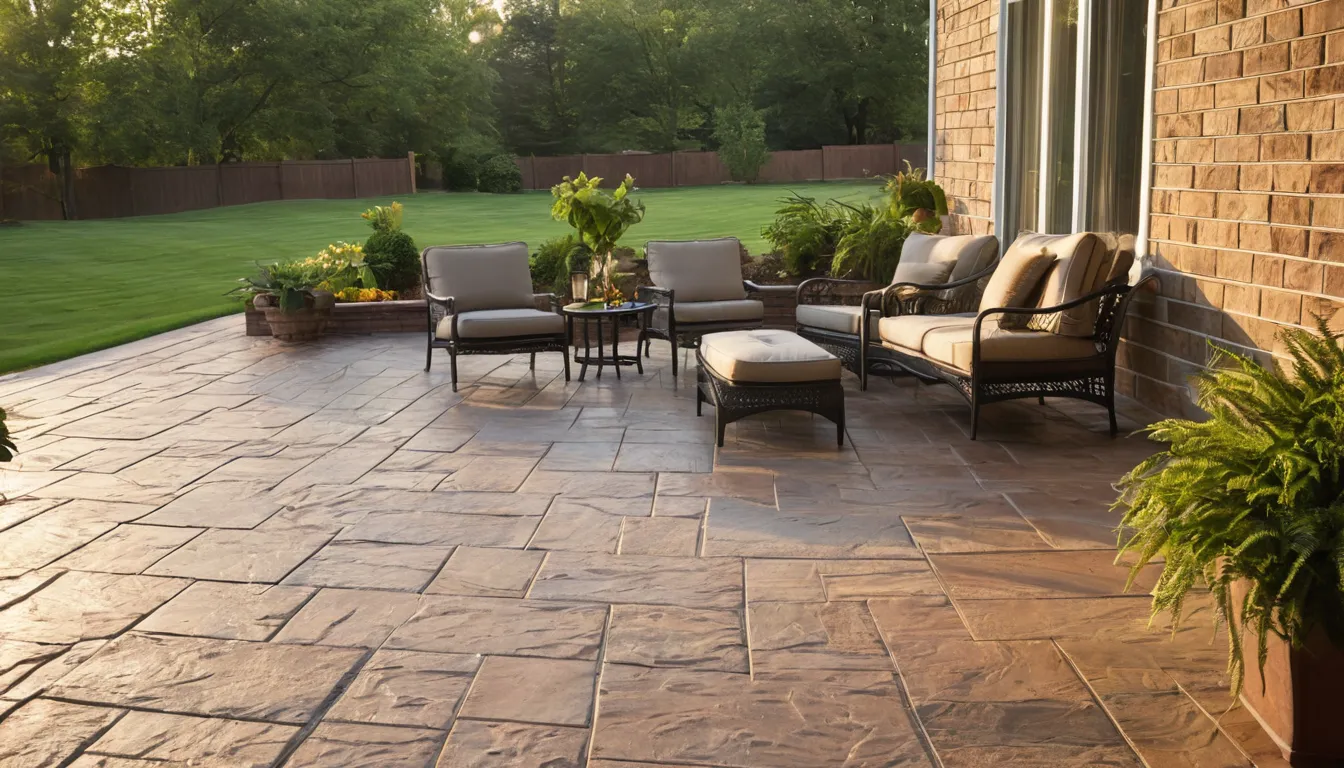
Tell Medtroniic Concrete about your driveway or patio plan. Send a request and a local provider can follow up with questions and a written quote.
No obligationConcrete Driveways Services FAQ
How long does a concrete driveway last?
A well-built slab often lasts several decades. Results depend on the base, thickness, steel, and weather. Sealing it and keeping salt off can help it last longer. Ask your provider what to expect.
Can I pour a concrete driveway myself?
It is risky. Wet concrete is heavy and sets fast, and a driveway needs a firm base and good grading. You can help with prep and cleanup, but most homeowners leave the pour to a provider.
How thick should a concrete driveway be?
Four inches is common for cars and light trucks. Heavy trucks or an RV may need five or six inches. A provider can check your soil and use, then suggest the right thickness in writing.
Tell us what happened
Tell Medtroniic Concrete about your driveway or patio plan. Send a request and a local provider can follow up with questions and a written quote.
No obligation