Stamped Concrete Help for Homeowners
Request a stamped concrete estimate
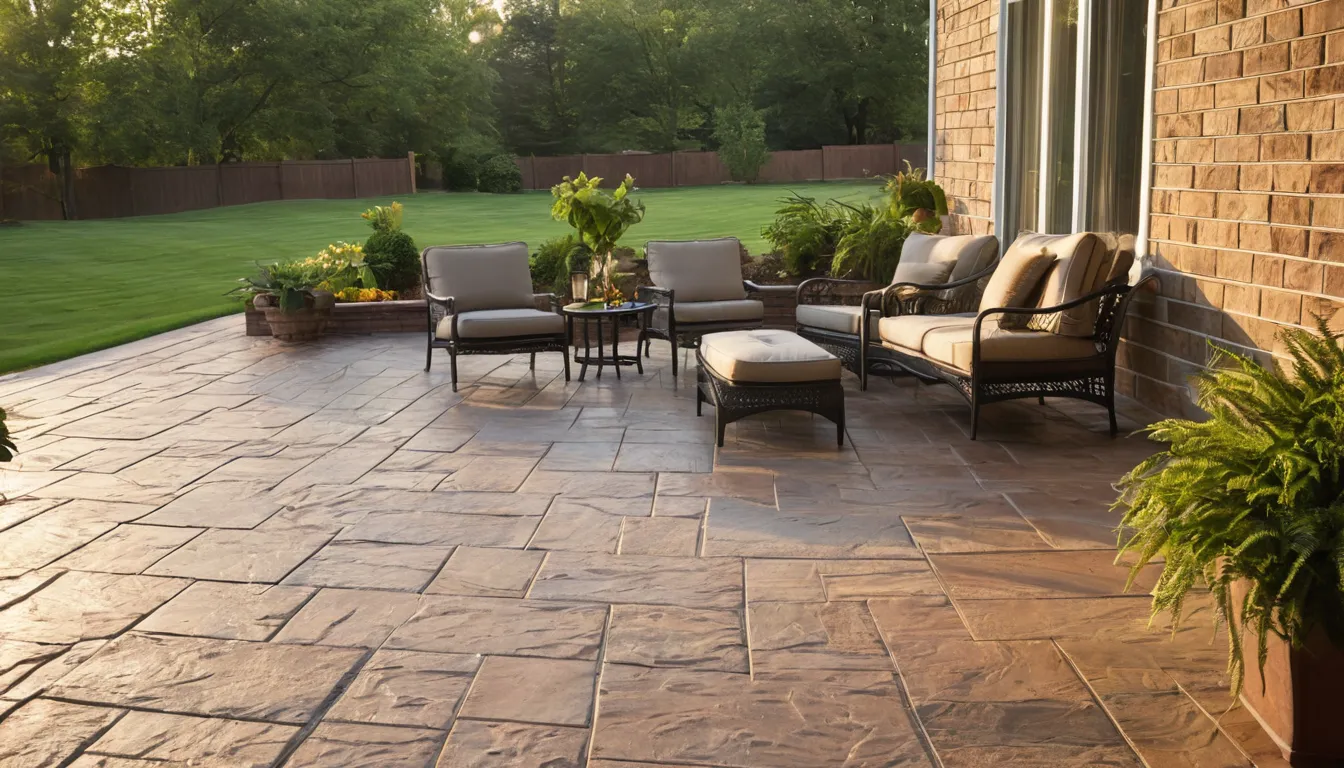
Stamped concrete starts as a normal slab. While it is still soft, workers press patterns into it and add color. When it cures, the surface looks like slate, brick, stone, or wood. It often costs less than natural stone, and it is one solid piece. Many homeowners pick it for a patio, a walkway, or a pool deck.
Medtroniic Concrete is a referral service. It does not pour or finish concrete. It links you with independent local providers who do. You can help with small prep jobs, like clearing the space and picking colors. The pour, the stamping, and the sealing need pro tools and quick, steady hands. Share your plans, and a provider in our network can follow up with a written quote.
Check the weather window first
Timing comes before style. Fresh concrete hates bad weather. A hard frost can ruin a pour. Hot, humid air can make it set too fast. A sudden hailstorm can pit a wet surface.
Providers in our network watch the forecast and book around it. Ask early, so you can get a spot on the calendar before the busy months.
What you can safely do yourself
Some prep work is fine for a homeowner. Help, then hand off. Here is the short list.
- Clear the area of furniture, pots, and plants.
- Mark the shape you want with spray paint or a garden hose.
- Watch where rain runs after a storm.
- Ask the local utility marking service to flag buried lines.
- Save a few photos of patterns and colors you like.
Your notes save the provider time. They also help the quote stay accurate.
Jobs that need a pro crew
Pouring and stamping are not weekend projects. Concrete sets on its own clock, and you get one try. Providers bring mixers, stamp mats, and trained hands. Pour it right the first time, because a bad slab has to be broken out and redone.
How stamped concrete is made
Stamped concrete is poured concrete with a pattern pressed in while it is soft. It is a type of concrete flatwork. That term just means flat slabs, like patios, walks, and driveways. The steps run in a set order.
Base and forms
The crew digs out the spot and packs down gravel. Wood forms hold the edges. In a place with deep frost, this base matters a lot. It lets water drain away instead of freezing under the slab.
Color and release agent
Color goes into the mix or onto the surface. Then a release agent goes on top. That is a fine powder or liquid. It keeps the mats from sticking and adds a second tone.
Pressing the pattern
Workers lay rubber mats on the wet slab and press them in. Timing is everything. Too early and the mix slumps. Too late and the pattern will not take.
Cutting and sealing
After the slab cures, the crew cuts joints. Joints are planned lines that guide where cracks form. Then they wash the surface and roll on sealer.
Popular patterns and colors
Ashlar slate, random stone, brick, and wood plank are common picks. Soft grays and tans suit bungalows and ranch homes. Darker tones look rich, but they show dust and can fade in strong sun. Ask to see a sample board before you choose.
Where stamped concrete works well
Stamped concrete patios are the usual choice. It also suits walkways, porch landings, and pool decks. The texture can help with grip when wet.
Check your drainage first. If water pools near the house, fix the slope before you add a slab. Cracks along a wall can point to a deeper problem. Foundation repair experts handle that, and it is a separate trade. Sort it out before any new pour.
Stamped concrete vs. pavers
Pavers are single stones or blocks set in sand. Stamped concrete is one solid slab. Each has trade-offs.
- Pavers: you can lift and replace one piece, but weeds can grow in the joints and frost can shift them.
- Stamped concrete: fewer joints and less weeding, but a crack shows, and a patch may not match the color.
If you may dig under the patio later, pavers can make that easier.
How long the job takes
Most patios need a few days on site. Then comes curing. Curing means the concrete slowly hardens. You can often walk on it after a couple of days. Furniture and heavy loads need more time. Your provider will give you the dates for your job.
Caring for your slab
Care keeps concrete. Sealer is the shield, so plan to reseal every few years. Ask your provider how often. Sweep often and rinse with a hose. Use mild soap for stains.
Winter and storm care
Skip rock salt and harsh de-icers. They can eat at the surface. Use sand for grip and a plastic shovel for snow. After hail or spring flooding, rinse off grit and look the slab over.
Catch small cracks early
Hairline cracks are common. You can fill them with a store-bought crack filler. Wide cracks, sunken spots, or raised edges need a pro. Concrete driveway repair works by the same rule: act early and the fix stays small.
Choosing a provider
Providers in our network are independent. Medtroniic Concrete does not do the work. We help you reach local pros so you can compare.
Questions to ask
- Can I see photos of stamped work in a cold climate?
- How deep is the base, and how will water drain?
- Which sealer do you use, and when should I reseal?
- Does the written quote list materials, joints, and cleanup?
Request a callback to check provider availability for your season.
What's Included
Pattern Choice
Pick a stone, brick, slate, or wood look pressed into one solid slab.
Color and Sealer
Tint goes in the mix or on top, then sealer locks in the finish.
Base and Drainage
A packed gravel base helps water drain and cuts frost trouble under the slab.
Joints and Cleanup
Cut joints guide cracks, and the crew washes the slab before the job ends.
What Stamped Concrete Typically Costs
Prices vary by size, pattern, color, and ground conditions. These are typical U.S. ranges only. Ask each provider for a written quote that lists materials, labor, and cleanup.
| Item | Typical range | Notes |
|---|---|---|
| Basic stamped patio | $8 – $18 per sq ft | Single color, simple pattern |
| Multi-color or custom pattern | $15 – $25 per sq ft | More hand work and skill |
| Site prep and gravel base | $1 – $4 per sq ft | Higher on sloped or soft ground |
| Removing an old slab | $2 – $6 per sq ft | Depends on thickness and access |
| Sealer coat | $1 – $3 per sq ft | Needs a fresh coat every few years |
| Small stamped walkway | $1,000 – $3,500 | Based on length and width |
How It Works
Share Your Plans
Tell us the size, the pattern ideas, and where the slab will go.
Get Matched Locally
A provider in our network reaches out to talk about your project.
Compare Written Quotes
Look at materials, base depth, sealer, and cleanup side by side.
Plan Around Weather
Pick a mild, dry window and finish your simple prep before the crew arrives.
Why Call Medtroniic Concrete
Help, Then Hand Off
You handle simple prep, and a local provider handles the pour and finish.
Plain Words
Each trade term gets a short, clear meaning so you can decide.
Local Providers
Independent pros in our network know frost, humidity, and storm seasons.
Care Tips
You get simple upkeep ideas so the finished slab lasts longer.
Other Services
Need stamped concrete in Rogers?
Tell Medtroniic Concrete about your driveway or patio plan. Send a request and a local provider can follow up with questions and a written quote.
No obligationStamped Concrete FAQ
Can I stamp concrete myself?
Small jobs are possible, but it is hard. Concrete sets fast, and timing is tricky. Most homeowners prep the area and let a provider pour, stamp, and seal the slab.
How long does a stamped concrete patio last?
With good base work, sealer, and regular care, a stamped patio can last for decades. Deep frost, harsh de-icers, and skipped resealing shorten that. Ask your provider for a simple care plan and a reseal schedule.
Is stamped concrete slippery when wet?
It can be, mainly when sealer is glossy. Ask the provider about a slip-resistant additive in the sealer. A textured pattern also helps with grip near pools and entry steps.
Tell us what happened
Tell Medtroniic Concrete about your driveway or patio plan. Send a request and a local provider can follow up with questions and a written quote.
No obligation