Concrete Patios Built by Local Providers
Request a patio estimate
A patio is a flat slab of concrete where you sit, cook, and relax. It looks simple. The work is not. Crews dig, pack stone, set forms, pour, level, and finish the surface before the mix hardens. That takes tools and practice.
Medtroniic Concrete is a referral service. It does not pour concrete. It links homeowners in the Rogers area with independent local providers who do. This page explains the job in short words. It shows what you can safely do yourself, what needs a pro, and how to care for the slab afterward. You will also see what shapes the price, why the base matters, and which questions to ask before you agree to a written quote.
Planning a New Concrete Patio
You want a flat, solid spot outside. Concrete can give you that. Medtroniic Concrete is a referral service. We link homeowners with independent local providers who pour patios. The provider does the work. Our job is to help you get started with a clear plan.
Think About Timing First
Concrete needs mild weather to cure. Curing means the slab slowly hardens while it holds moisture. In the Rogers area, deep winter frost stops most pours. Hot, humid summers bring limits too. Spring flooding can leave the ground soggy. Many providers fill their calendars early for the warm months. Ask for an estimate before you need the patio, not after.
What You Can Safely Do Yourself
Some jobs are fine for a handy homeowner. Help, then hand off. Good prep tasks include:
- Clear plants, furniture, and old pavers from the spot.
- Mark the shape with spray paint or string.
- Move grills, planters, and play sets away.
- Watch where rain runs and where puddles form.
- Measure the area and take photos.
This prep helps the provider give a clearer quote.
What Needs Pro Tools and Skill
Pouring is not a weekend task. Concrete starts to set fast, so the crew must work on a clock. Providers use plate compactors to pack the base. They place rebar, which means steel bars that add strength. They use screeds, long straight edges that level wet concrete. They also cut joints with saws. A mistake hardens in place. Fixing it later costs far more. Leave grading, forms, pouring, finishing, and cutting to a pro.
Why Homeowners Choose Concrete
Concrete lasts. Built right, it holds heavy furniture, grills, and even hot tubs. It needs little care. It suits bungalows, ranch homes, and older frame houses. You can pick many shapes, colors, and textures. Prices vary, but concrete is often easier on the budget than natural stone.
What a New Patio Project Includes
Most jobs follow the same path:
- Providers mark the site and remove turf or an old surface.
- They add a gravel base, which is packed stone under the slab.
- They set forms, the wood or metal edges that shape the pour.
- Steel or fiber goes in for strength.
- They pour, level, and finish the surface.
- They cut control joints, which are planned lines that guide cracks.
Good concrete flatwork starts with the base. A weak base leads to a weak slab.
Sizing Your Patio
Think about how you live. A table for four needs about 10 by 10 feet. Add room to pull chairs back. A grill needs a clear zone around it. Plan a path from the door too. Bigger slabs cost more. Mark your shape with paint, then set out your real furniture to test it.
Choosing a Finish
Broom Finish
A broom finish means dragging a soft broom over wet concrete. It adds grip. Rain, sprinklers, and wet feet are less risky on it.
Stamped Concrete Patios
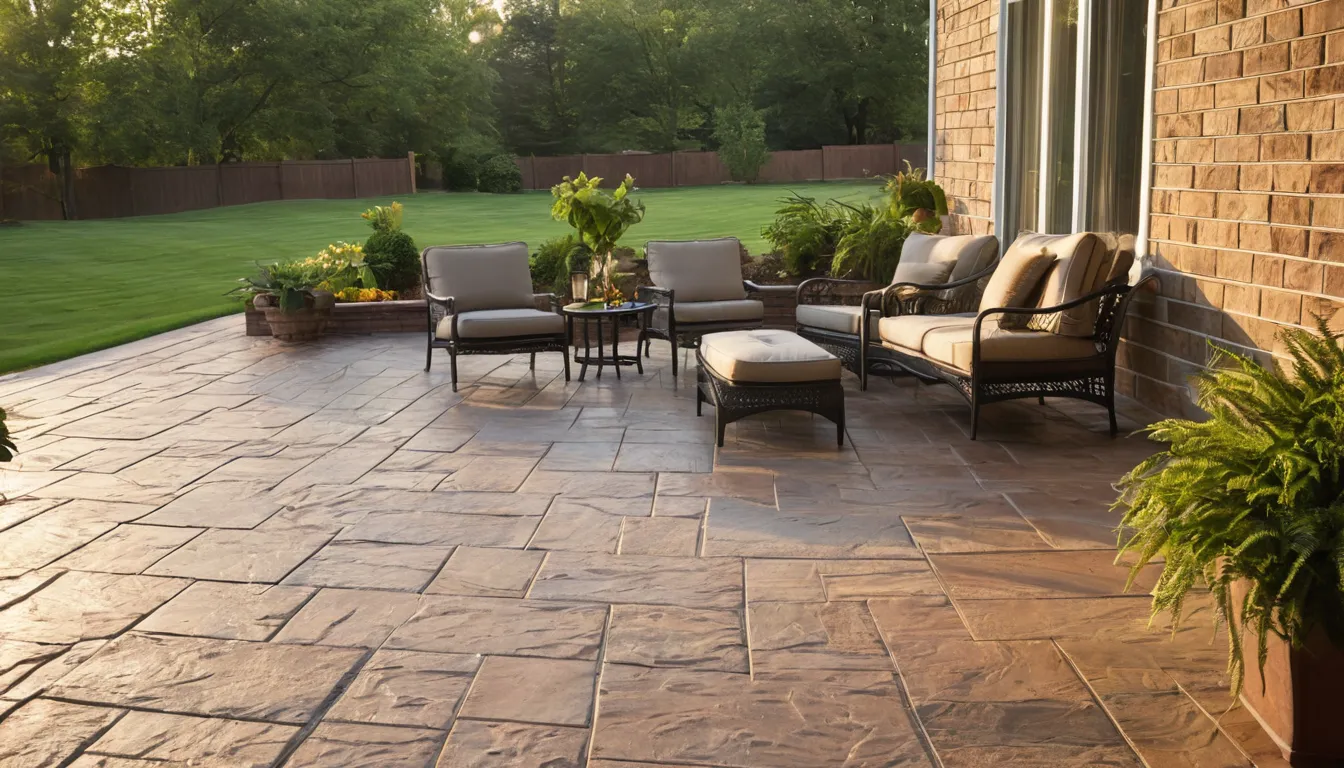
Stamped concrete patios use pattern mats pressed into wet concrete. The look can copy stone, brick, or wood. Color goes in the mix or on the surface. Timing is tight, so this is pro work only. A sealer protects the color. Stamped slabs cost more than plain ones.
Water Has to Go Somewhere
A patio needs a gentle slope away from the house. Many pros use about a quarter inch per foot. Heavy thunderstorms and hail can dump water fast. Spring melt adds more. Ask where the water will go before the pour begins.
Protect Your Foundation
Many homes in the Rogers area have full basements and sump pumps. A sump pump moves water out from under the floor. A patio that tilts toward the wall can send water right to that spot. Tell the provider about your basement. If you already see wall cracks or damp stains, have foundation repair experts check the house first. That is a separate trade. Do it before any new slab goes down.
Choosing a Concrete Provider
Get written quotes. Compare what each one covers, not just the price. Ask about:
- Base depth and slab thickness (4 inches is common for patios)
- Steel or fiber for strength
- Joint layout and sealing
- Cleanup and haul-off
- Experience with cold-weather slabs
Some providers also handle concrete driveway repair. Pick one who pours patios often. Ask for proof of any license or insurance your area requires.
Request a callback to check provider availability.
Care Keeps Concrete
Give the slab time. Keep heavy furniture off for about a week. Wait about four weeks before heavy loads. Your provider will tell you when to seal. Sealer is a clear coat that blocks water and stains.
A Simple Yearly Routine
- Sweep often and rinse with a hose.
- Clean spills fast, especially oil and grease.
- Reseal every couple of years, or as the provider advises.
- Fill small cracks with a concrete crack sealant.
- Keep downspouts pointed away from the slab.
- Use sand for grip on ice. Skip harsh deicing salts, especially in year one.
Ready to Plan Your Patio?
Send a few details about your yard and your ideas. A local provider can respond with next steps. There is no obligation to hire.
What's Included
Site Prep
Providers clear the spot, dig to depth, and pack a gravel base so the slab sits level.
Forms and Steel
Edges shape the slab, and steel or fiber adds strength before any concrete is poured.
Pour and Finish
Crews pour, level, and texture the surface, plain or stamped, while the mix is workable.
Joints and Sealing
Saw cuts guide cracks, and a sealer helps shield the slab from water.
Typical Concrete Patio Costs in the U.S.
Patio prices depend on size, soil, finish, and access to your yard. These are typical U.S. ranges only. Local prices differ, so ask each provider for a written quote.
| Item | Typical range | Notes |
|---|---|---|
| Plain broom-finish slab | $6 – $12 per sq ft | Most common choice; simple and sturdy |
| Stamped and colored slab | $12 – $22 per sq ft | Pattern and color add labor |
| Site prep and gravel base | $1 – $3 per sq ft | Soil and slope change the price |
| Removing an old slab | $2 – $6 per sq ft | Haul-off may be extra |
| Sealer | $0.50 – $2 per sq ft | Reseal every few years |
| Drainage fix or added grading | $500 – $3,000 | Depends on yard and water flow |
How It Works
Share Your Plans
Tell us the size, finish, and spot you have in mind, plus any drainage worries.
Request an Estimate
Send your details through the estimate form, or Request a callback to ask about provider availability.
Compare Written Quotes
Look at base, thickness, steel, joints, and cleanup, not just the bottom line.
Provider Does the Pour
You pick a provider, set a date, and keep the slab clear while it cures.
Why Call Medtroniic Concrete
Help, Then Hand Off
You get plain advice first. Then an independent local provider takes over the work.
Plain Words
Every trade term gets a short meaning, so you know what a quote includes.
Local Providers
Providers in our network work near you and know frost, storms, and wet spring soil.
No Obligation
Request an estimate, compare options, and decide at your own pace with no pressure.
Other Services
Need concrete patios in Rogers?
Tell Medtroniic Concrete about your driveway or patio plan. Send a request and a local provider can follow up with questions and a written quote.
No obligationConcrete Patios FAQ
How thick should a concrete patio be?
Most patios use a slab about 4 inches thick over a packed gravel base. Heavy loads, like a hot tub, may need more thickness and steel. Ask each provider to put the thickness in writing.
Can I pour a concrete patio myself?
Small prep jobs are fine for you, like clearing and marking. The pour is hard. Concrete sets fast, and mistakes harden in place. Most homeowners hire a local provider for the base, pour, and finish.
How long before I can use a new concrete patio?
Light foot traffic is often fine after a day or two. Wait about a week for furniture and about four weeks for heavy loads. Your provider will give the exact timing.
Tell us what happened
Tell Medtroniic Concrete about your driveway or patio plan. Send a request and a local provider can follow up with questions and a written quote.
No obligation